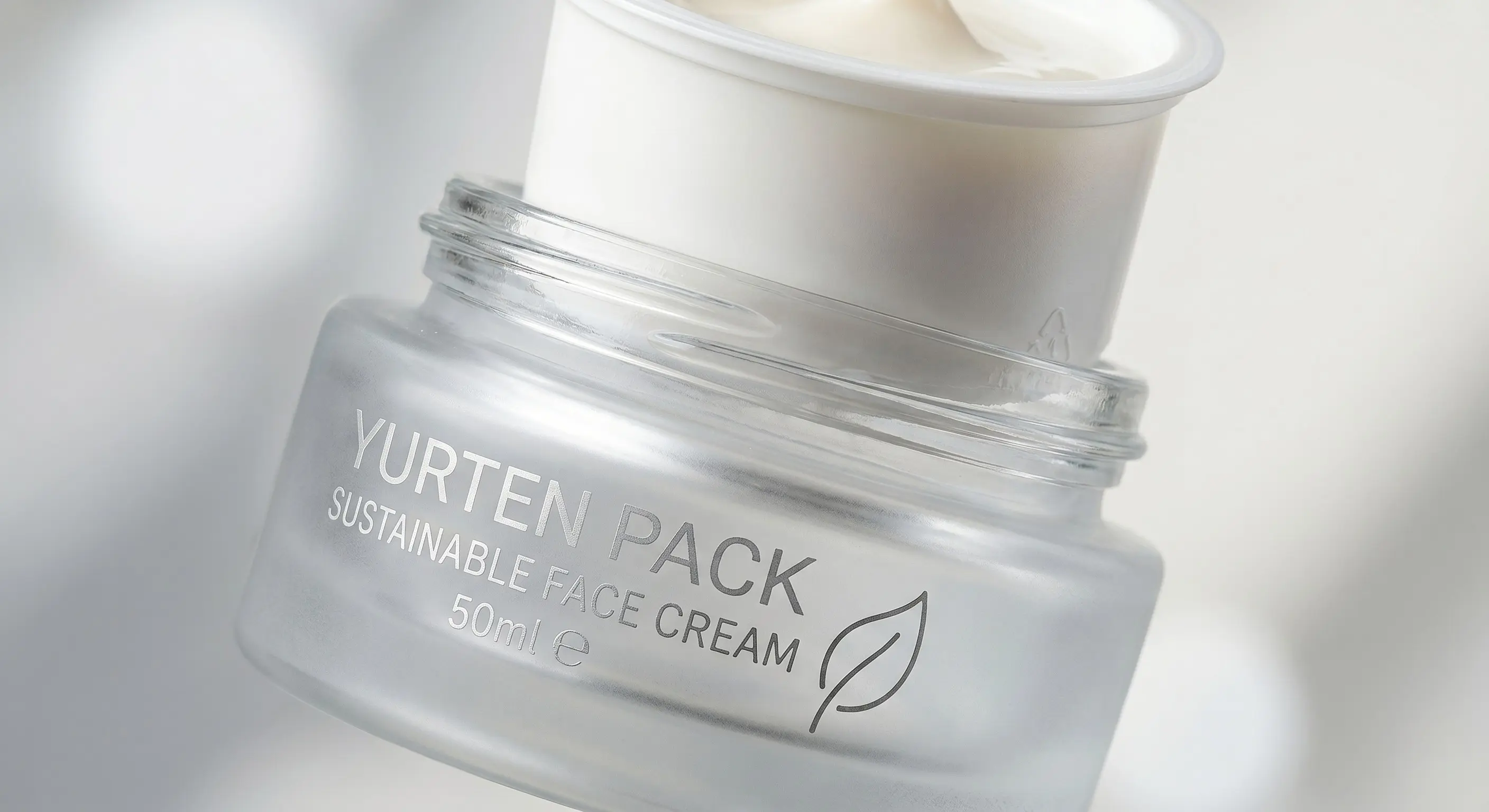
Anyone browsing cosmetic shelves over the past few years has likely noticed a term coming up more and more often: refill packaging. The thin pouch sitting next to a shampoo bottle, the spare cartridge tucked inside a perfume box, or the screw-in inner chamber hidden at the bottom of a cream jar are all different expressions of the same idea.
So what exactly is refill packaging, how does it function, and what does adopting this system actually mean for a brand's product line? This article walks through the concept from both a technical and a practical angle.
1. What Is Refill Packaging?
Refill packaging is a system that keeps a product's outer container, whether a bottle, box, or jar, fixed in place while allowing only the contents inside to be renewed. On the first purchase, the consumer buys both the outer container and the product. Once the product runs out, instead of buying a new outer container, the consumer picks up a smaller and more affordable pack that holds just the contents. Depending on the product, this pack can take the form of a pouch, a cartridge, or a separate filling bottle.
The logic behind the concept is straightforward. The larger part of the packaging, the plastic, glass, or metal body, becomes an investment that can be used repeatedly. The only thing that changes is the product consumed during each fill. This shifts the cost balance for both manufacturer and consumer, since producing a brand new outer container with every sale is no longer necessary.
Let's work out which refill system suits your product line together, share your formula type and we'll prepare a tailored recommendation.
2. How the Refill System Works
To understand refill packaging properly, it helps to break the system into two parts: the fixed main body and the interchangeable fill unit.
The master unit is the part the consumer holds onto for an extended period. It is typically made from a higher grade material and carries the brand's visual identity. Durable forms such as glass bottles, aluminum containers, and rigid plastic jars usually take on this role. Once produced and delivered to the consumer, the master unit can, in theory, remain in use for years.
The refill unit is the lighter, less material-intensive part that carries the product actually being consumed. This unit generally appears in one of three forms.
- Pouch systems - the product is filled into a flexible, often multi-layer laminate film. The consumer cuts or opens the end of the pouch, transfers the product into the master unit, and discards the empty pouch afterward. This format is common for shower gels, shampoos, and certain body lotions.
- Cartridge systems - the product arrives inside a rigid component designed to fit precisely into the master unit's internal structure. The user simply removes the spent cartridge and snaps in a new one. This method is particularly favored for delicate formulas such as perfumes and serums, since the risk of air or moisture exposure is lower than with pouch systems.
- Filling bottle systems - the consumer receives a separate small bottle, and the product inside is manually transferred into the master unit. This is the simplest method to execute and is often used for creams, oils, and certain liquid formulas.
3. Materials Used in Refill Packaging
Material choice in refill packaging design directly shapes both environmental impact and user experience. Recycled plastics such as rPET and rPP are among the most frequently chosen options for master units, since they combine durability with a sustainability message that resonates with the brand. Glass is typically reserved for master units in premium positioned perfume and serum products, and because of its weight and fragility, it is rarely used for refill units.
Refill units, by contrast, tend to favor lighter and more flexible materials. Multi-layer laminate films protect the product from external factors while significantly reducing shipping weight. Some brands take this a step further with compostable film options, though the barrier performance of these materials is not yet sufficient for every formulation, particularly for perfumes and essences containing volatile compounds.
4. The Role of Closure and Valve Mechanisms
The functionality of refill packaging depends heavily on closure and valve design. The master unit's closure must maintain a tight seal during the filling process while also keeping the swap procedure simple for the user. In pump systems, the pump mechanism generally stays fixed on the master unit, and only the product chamber is replaced. In airless systems, the piston mechanism needs to reset correctly after each fill, otherwise air can enter before the product is fully dispensed.
Spray closures present a more complex scenario, since dosing precision is directly tied to the internal structure of the valve. For this reason, testing the chosen valve's post fill performance is essential before moving a perfume or essence product into a refill system.
5. Which Product Categories Suit Refill Systems?
Not every cosmetic product category adapts equally well to refill packaging. Low viscosity products such as shampoo, shower gel, and liquid soap are the easiest categories to implement through pouch or filling bottle systems. Medium viscosity formulas like creams and lotions typically work well with detachable jar inserts or tube style refill units.
Delicate and high value formulas such as perfumes, essences, and serums require the most careful approach. Because these products need to preserve scent integrity and prevent active ingredients from degrading through air exposure, sealed cartridge type systems are generally preferred. Deodorants and solid stick formulas, on the other hand, rely on a simple stick swap, making them one of the most mature refill applications in the industry.
6. Conclusion
Refill packaging is not a single product but a systems approach built from a combination of materials and mechanisms. Choosing the right refill model requires evaluating the product's formulation characteristics first, followed by the intended consumer experience, and finally the production and filling capacity available. Moving a brand toward a refill system is not merely a matter of switching packaging suppliers. It is a holistic design decision that spans everything from the production line to the consumer's day to day experience.